Questions & answers
The things people ask before they book.
Straight answers, including the ones that are not a sales pitch.
Before you book
No. The applicator and bedliner tracks are built to take someone with no coatings background to a competent first job. If you already spray, say so when you book and the instructor will push you on technique, troubleshooting and yield rather than fundamentals.
It depends on the track and on whether a trainer comes to you. Ask for the current schedule and we will tell you exactly what the next class looks like, start to finish.
Pricing depends on the track, the number of people and whether training is on site or at the facility. Send the enrollment form and you will get a real figure back — not a brochure.
No. You can train first and decide afterwards. If you do order a package, ArmorThane aims to deliver equipment, product and complete on-site training within 30 days of the order.
No, and there never has been. You are not buying a territory or signing a revenue share. Whatever you build afterwards is yours.
The training itself
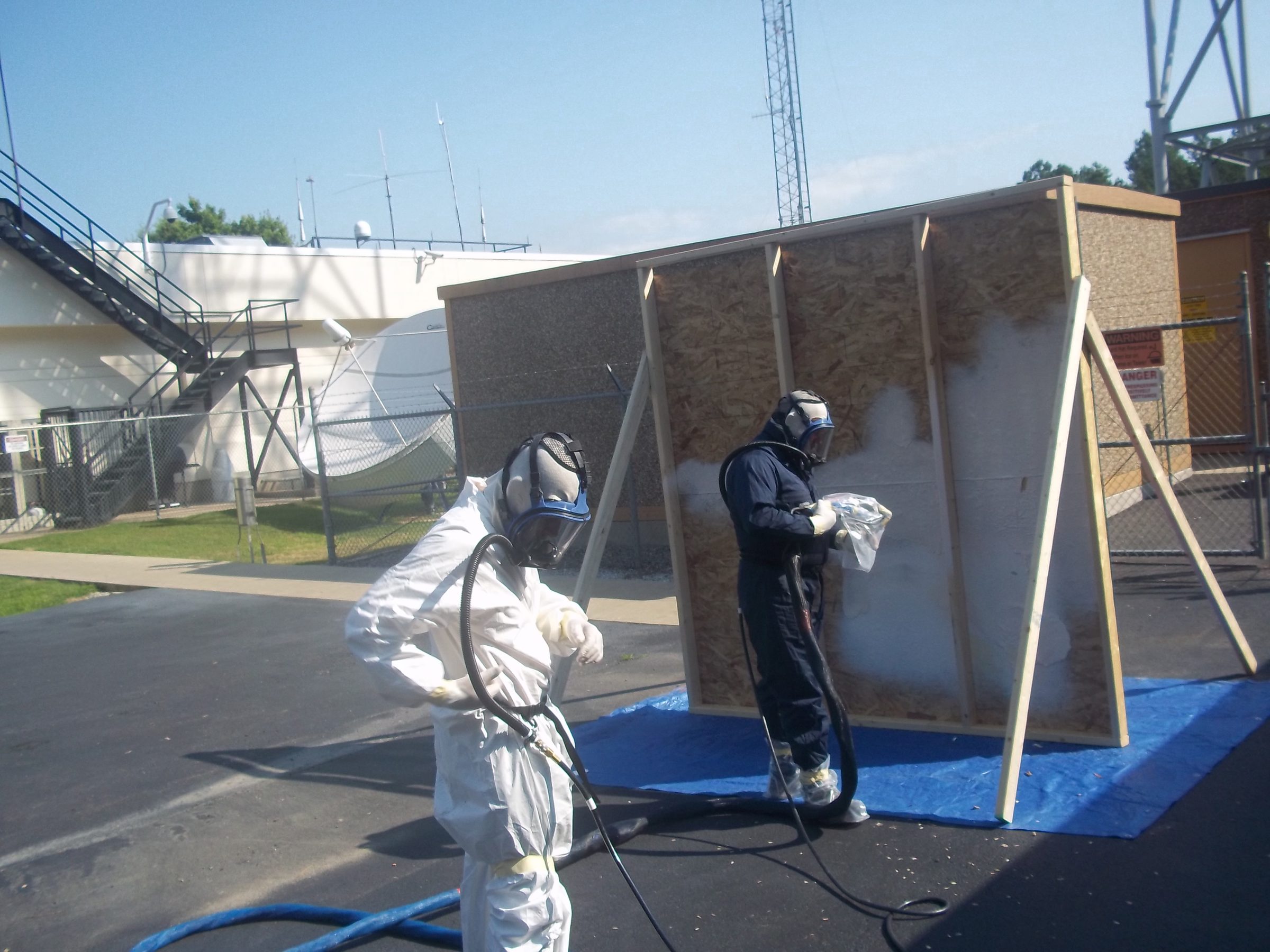
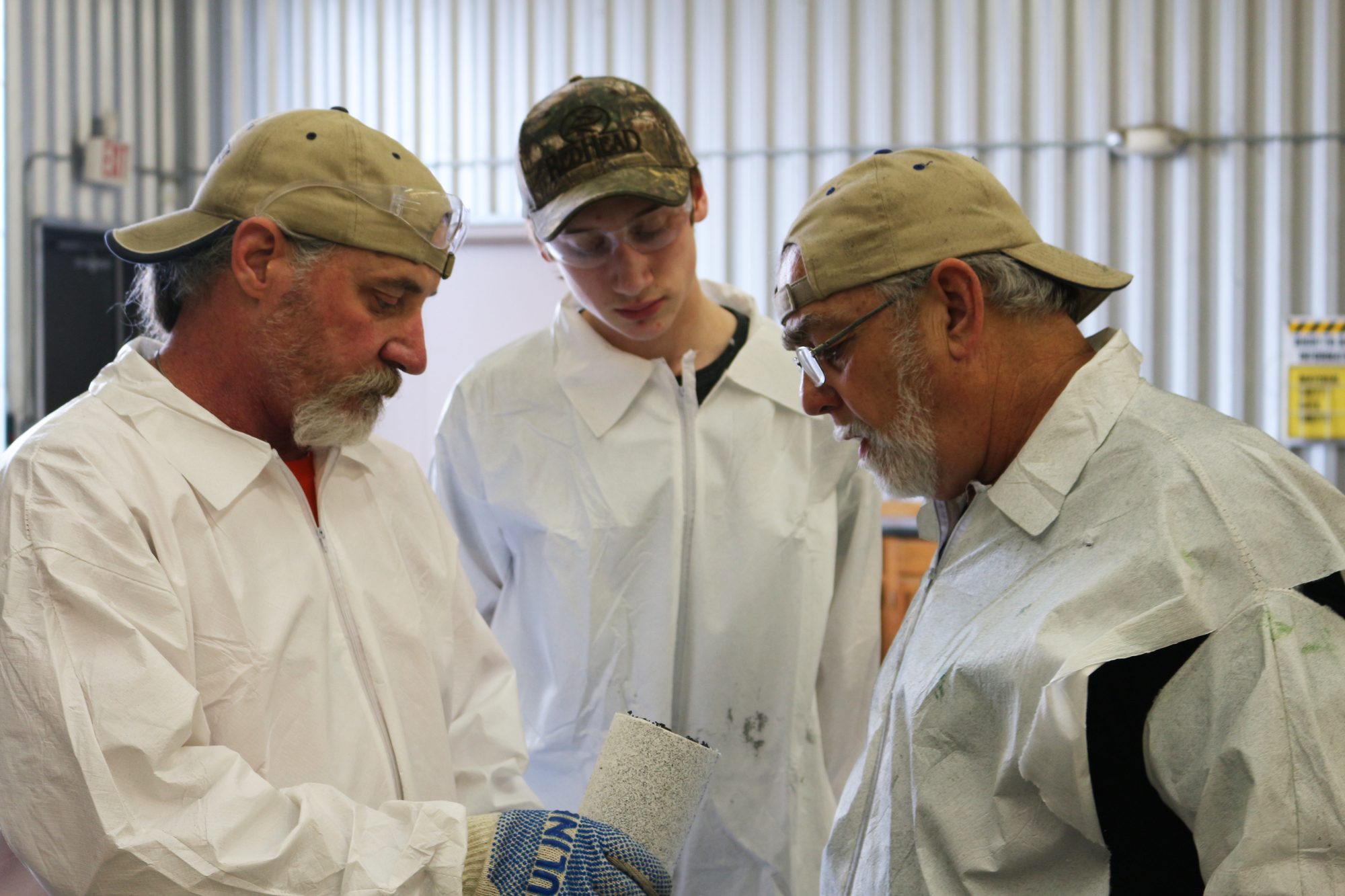
You spray. Classes are kept small specifically so that everyone gets real time on the gun, gets critiqued and goes again. Standoff, travel speed and overlap cannot be learned from a screen.
Work clothes you do not mind ruining, safety boots, and your own prescription safety glasses if you wear them. Suits, gloves, respiratory protection and material are provided.
Yes, and it comes first. Isocyanate exposure, respiratory protection and fit, ventilation and confined space work, and high-pressure injection hazards are covered before anyone picks up a gun.
Yes. On-site training is usually the better value for a team, and it means everyone learns on your equipment, in your bay, on the substrates your customers actually bring you.
After the class
Your certificate, a listing on the ArmorThane applicator network, and continued access to the technical support line for the questions that only come up on a real job.
Call the technical line. Field problems — blistering, off-ratio material, adhesion failures, equipment faults — are exactly what it is there for.
Yes. E-training and continuing education exist for that, and for bringing new hires up to a safe baseline between classes.
About the material
Polyurea is the reaction of an isocyanate with an amine-terminated resin: fast-setting, more tolerant of moisture during cure, and able to build film in a single pass. Polyurethane uses a hydroxyl-terminated resin and behaves differently on cure time, moisture sensitivity and physical properties. Hybrids sit between the two. Choosing correctly for the job is covered in the first module.
ArmorThane publishes a limit of below 5% moisture before spraying. You will learn to test for it rather than judge it by eye — moisture under the film is the most common cause of blistering and disbondment.
If the substrate is close to the dew point there is invisible condensation on it, and you will be spraying onto water. Standard practice is to keep the surface at least 5°F above dew point. There is an interactive version of that check on the curriculum page.