Polyurea & protective coatings training
Learn to spray it properly. Then build a business on it.
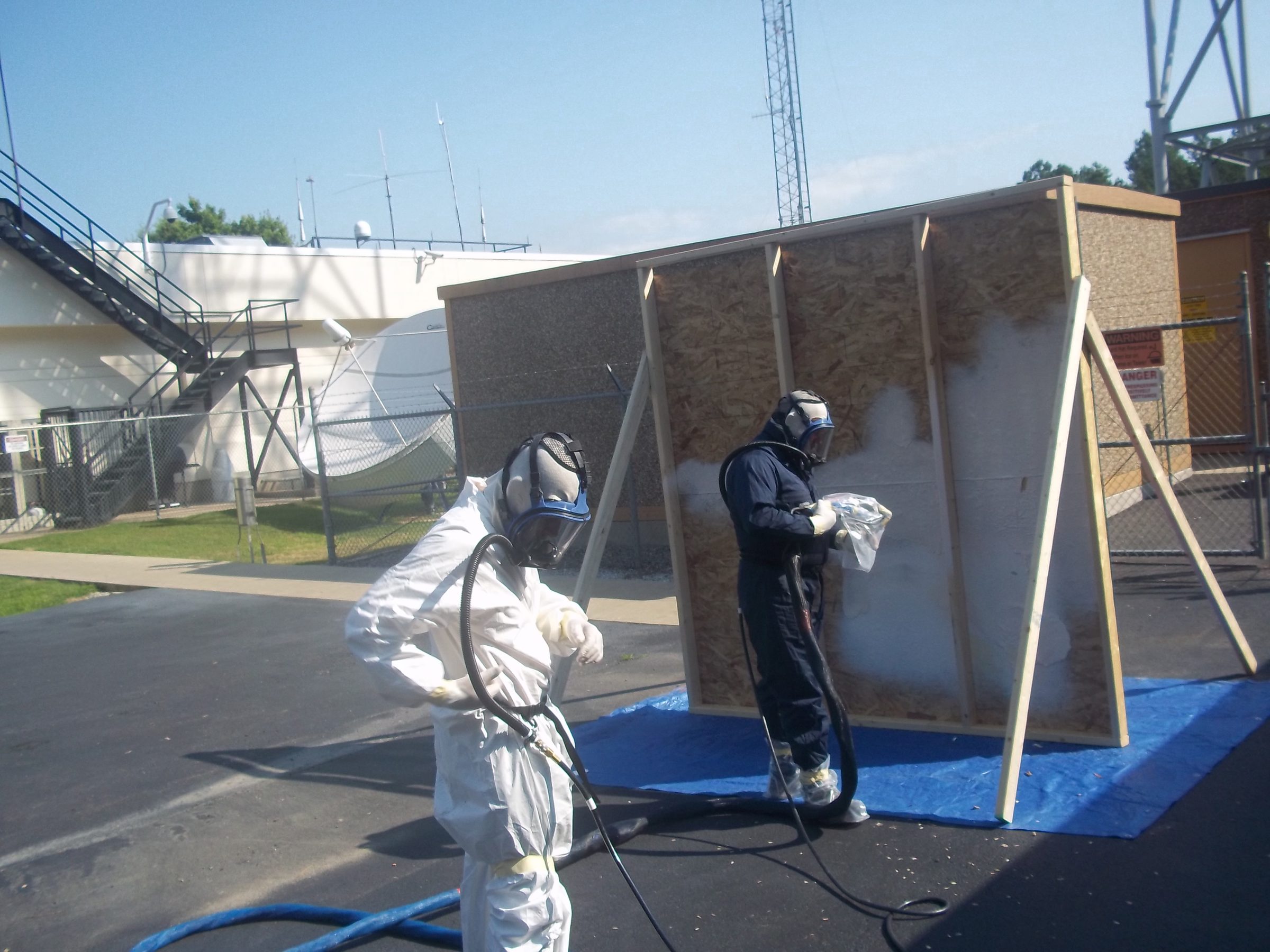
Coatings Academy is the training arm of ArmorThane. Hands-on certification in polyurea application, spray-on bedliners and coating inspection — taught by people who have been spraying since 1989, with no franchise fee and no royalty attached to anything you earn afterwards.
ArmorThane has been manufacturing protective coatings and training independent applicators since 1989.
Core modules run through every certification track, from polyurea chemistry to equipment troubleshooting.
Certification tracks: applicator, spray-on bedliner and qualified polyurea inspector.
From order to on-site training: ArmorThane aims to deliver your equipment, product and training inside 30 days.
No franchise fee and no royalty — ever. You own the business you build.
What this is
A trade school for a material that does not forgive guesswork.
Polyurea gels in seconds. It bridges over defects instead of revealing them, and it reproduces every mistake underneath it — permanently. That is exactly why it is worth money, and exactly why it has to be taught properly.
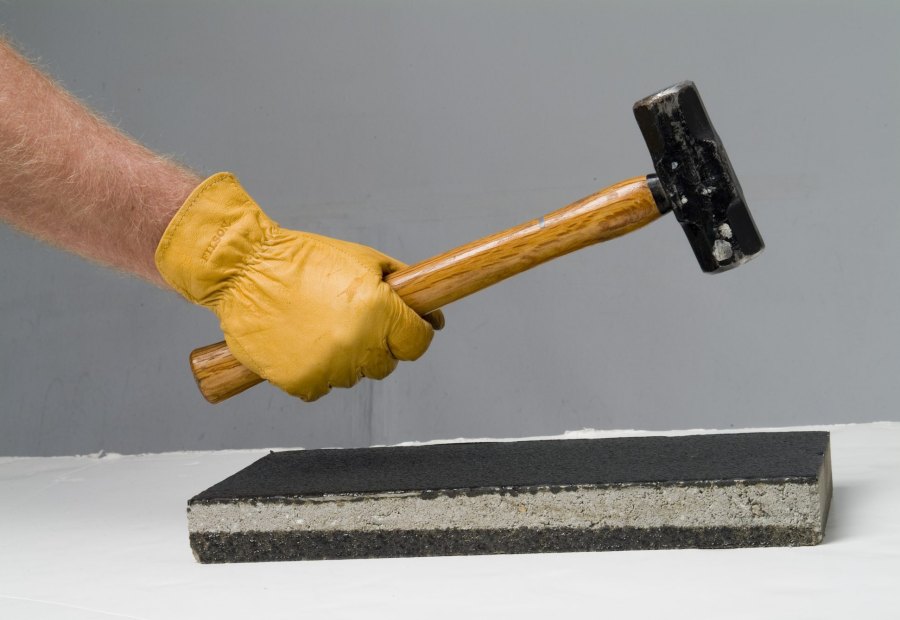
We teach the whole chain: the chemistry, the safety, the substrate, the preparation, the machine, the technique and the testing that proves the film is sound. You will measure moisture on a slab, cut a profile, set a proportioner to a data sheet, spray a real panel, cut it open and look at what you actually built.
Nobody leaves with a certificate they did not earn with a gun in their hands.
Training programs
Five ways in.
Three certification tracks, plus on-site training for a whole crew and online continuing education to keep everybody current between classes.
Polyurea Applicator Certification
Everything a working applicator needs, in one hands-on program.
Explore the program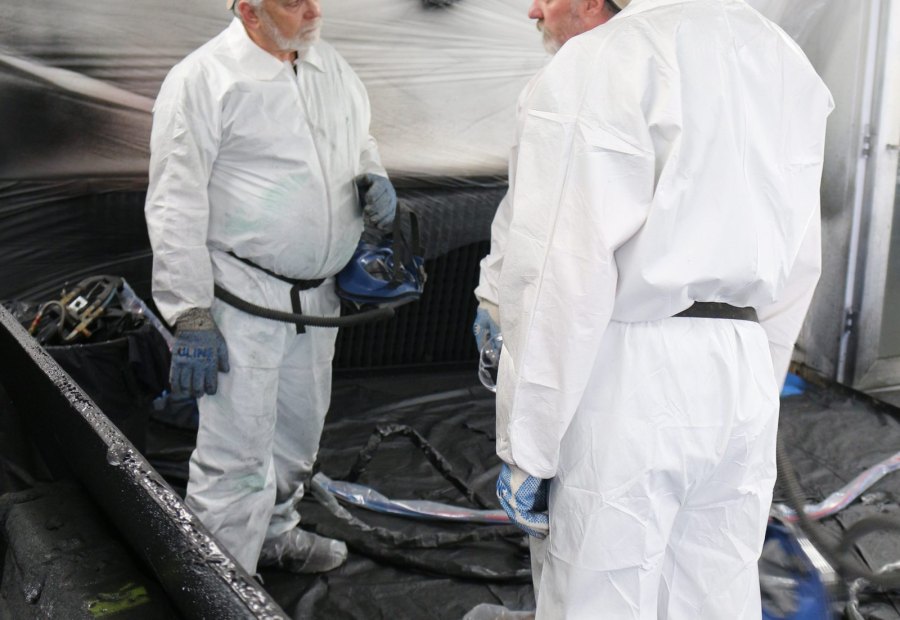
Spray-On Bedliner Certification
Turn a bay into a same-day profit centre.
Explore the program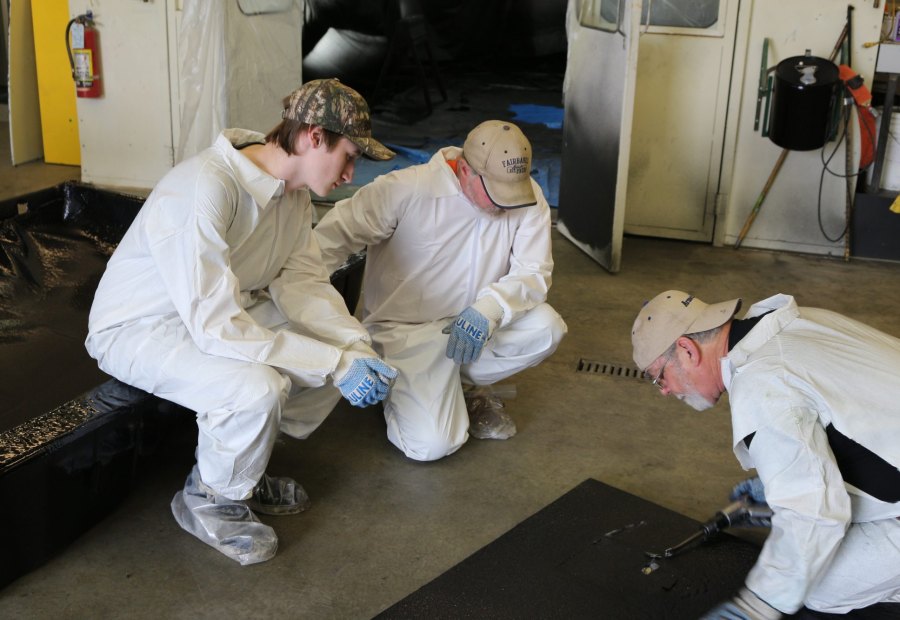
Qualified Polyurea Inspector
Judge the work, not the invoice.
Explore the program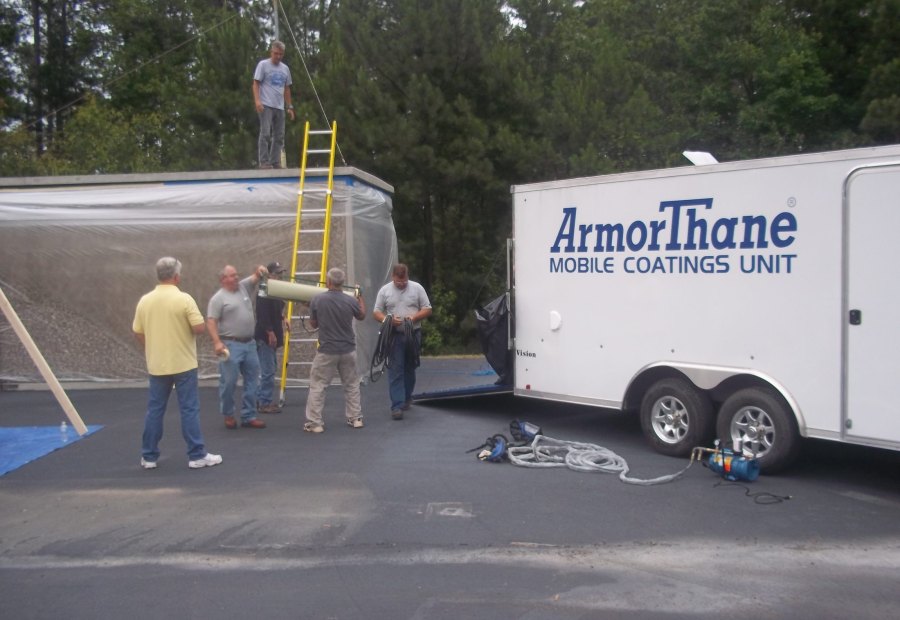
On-Site & Mobile Unit Training
The whole crew, on your own equipment.
Explore the program
E-Training & Continuing Education
Keep the whole crew current.
Explore the programThe core curriculum
Eight modules. Every track runs through all of them.
Whether you are here to spray truck beds or to inspect a containment liner for a municipality, you cover the same fundamentals. The depth changes; the ground covered does not.
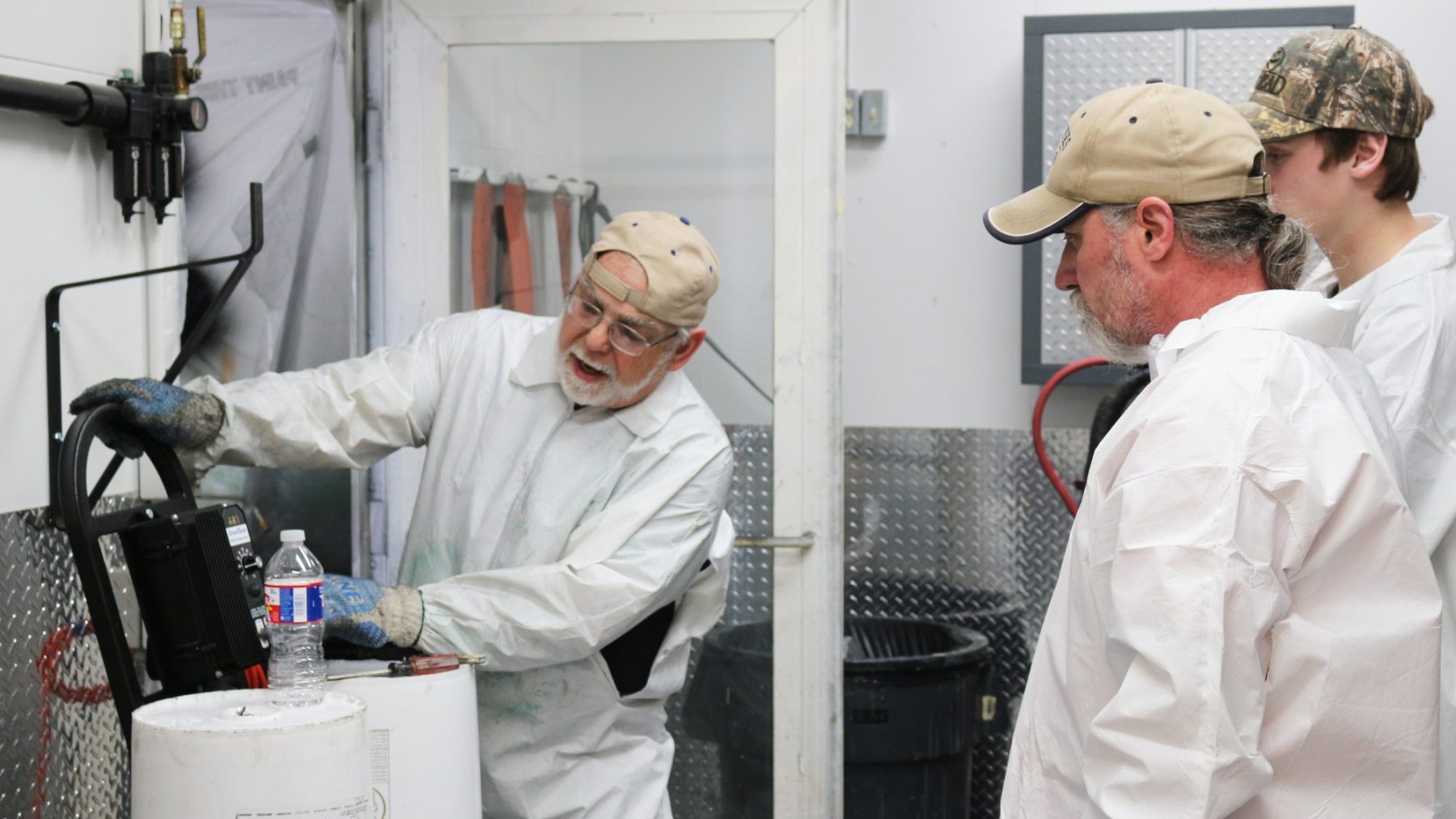
What polyurea actually is, how it differs from polyurethane and hybrids, and why that difference decides what you can sell.
- Pure polyurea, polyurethane and hybrid systems compared
- Why gel time drives everything about technique
- Where each chemistry belongs — and where it does not
Temperature, pressure, ratio. The three numbers that decide whether what leaves the gun is a coating or a liability.
- Material conditioning, storage and drum handling
- Setting heat and pressure to the data sheet
- Ratio verification and what off-ratio looks like
Isocyanates, confined spaces, high-pressure injection and respiratory protection. The module nobody is allowed to skip.
- Isocyanate exposure, sensitisation and medical monitoring
- Respirator selection, fit and supplied-air systems
- Ventilation, containment and confined-space work
Concrete, steel, wood, foam, geotextile, existing coatings. Identify what you are actually standing on before you quote it.
- Concrete moisture testing and the below-5% limit
- Steel condition, mill scale and flash rust
- Testing adhesion of an existing coating before overcoating
Profile, cleanliness and dryness. Where almost every coating failure is actually created.
- Choosing a preparation method to hit the specified profile
- Edges, cracks, joints and terminations
- When to prime, and what primer the system calls for
Gun distance, angle, pass pattern, overlap and film build — the physical craft, learned with a gun in your hands.
- Standoff, angle, travel speed and overlap
- Vertical surfaces, corners and detail work
- Maintaining consistent film build over area
Wet film, dry film, adhesion, holiday detection — proving the work rather than hoping for it.
- Wet film and dry film measurement in practice
- Pull-off adhesion testing and interpreting the break
- Holiday and spark testing for linings and containment
Proportioners, heated hose, guns and transfer pumps — keep them running and fix them when they stop.
- Daily start-up, shutdown and flush routines
- Gun teardown, cleaning and rebuild
- Pressure imbalance and heater faults
Why the material is worth learning
One pass. Twenty years.
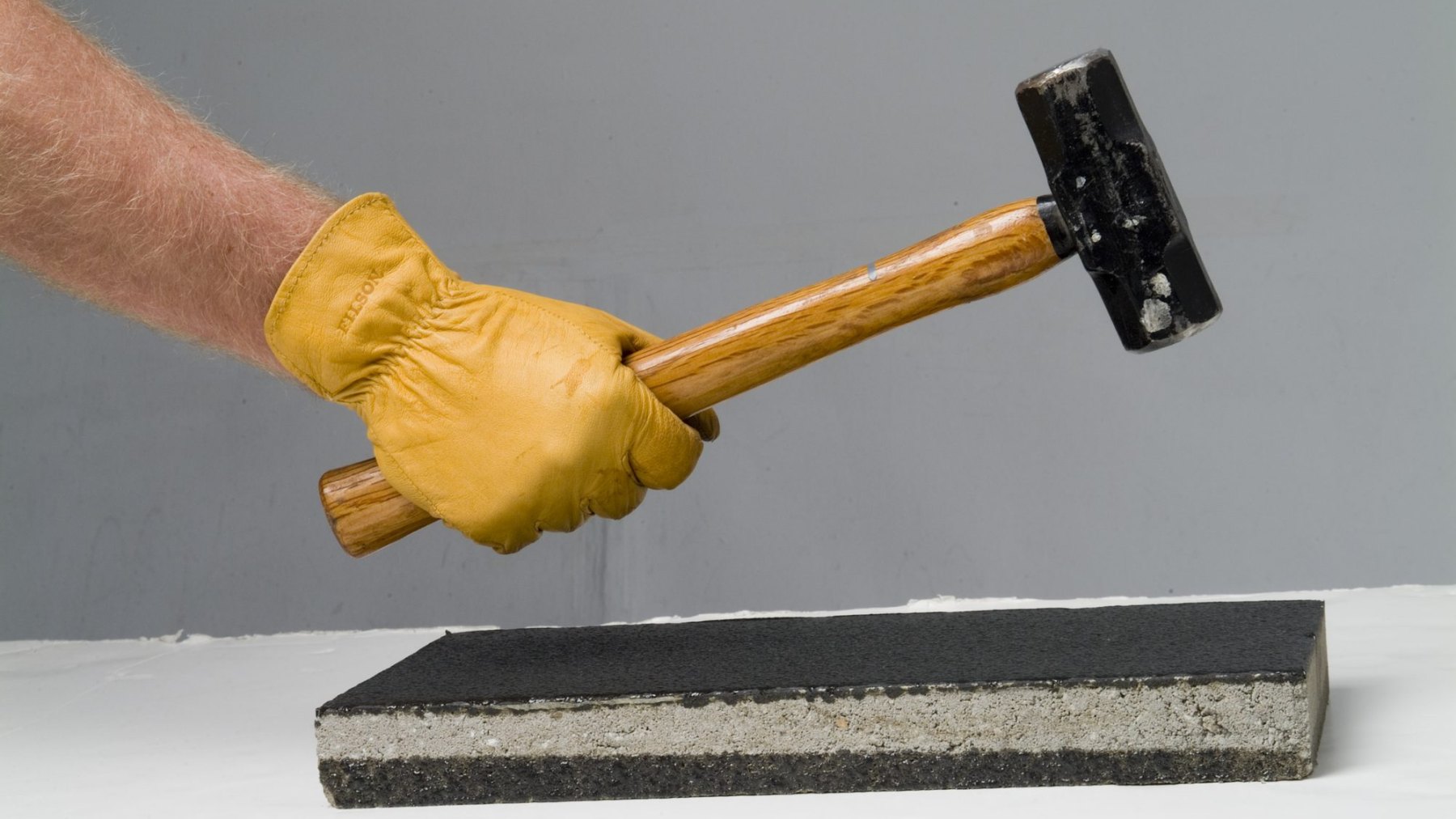
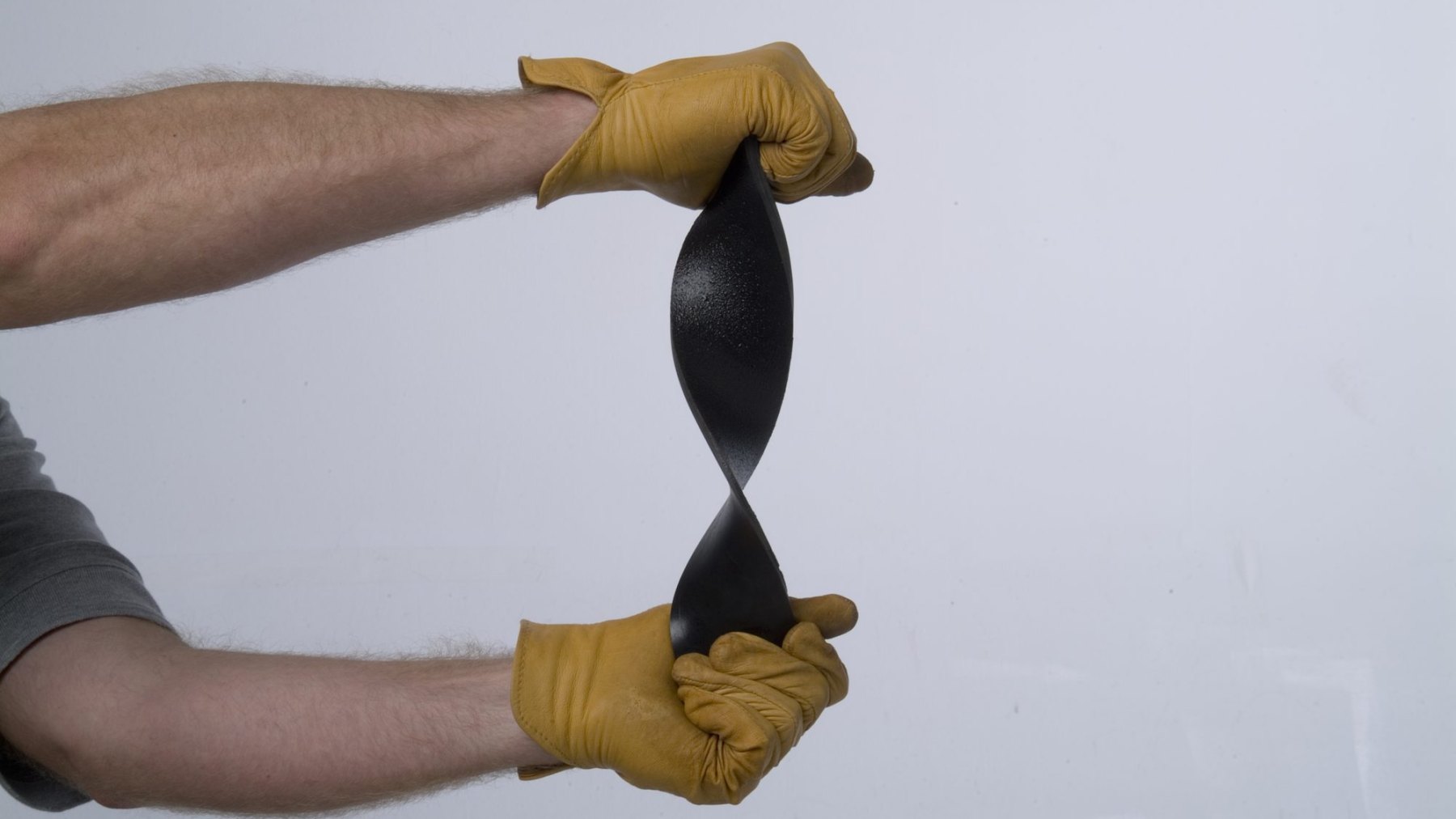
Sprayed polyurea goes down seamless, builds film in a single pass and returns to service in hours rather than days. It is the reason a one-day job can carry a decade of warranty — and the reason the people who can place it reliably are never short of work.
Seamless, in one pass
No seams, no laps, no fasteners. The film goes on as one piece and follows every contour it is sprayed over.
Back in service fast
Fast-set chemistry means tack-free in seconds and return to service in hours — which is what lets you quote a job nobody else can schedule.
Built for abuse
Abrasion, impact, chemicals, water and UV, depending on the system. Choosing the right one for the job is half of what this school teaches.
Not sure where to start?
Three questions. One recommendation.
Answer honestly and we will point you at the track that actually fits — including telling you when a different one is the better use of your money.
1. Where are you starting from?
2. Who needs the training?
3. What do you want to be spraying in a year?
Start here
Polyurea Applicator Certification
The complete path from raw chemistry to a finished, warrantable application. You leave knowing how to read a data sheet, set a machine to it, prepare a substrate properly and prove the film you just sprayed is sound.
Start here
Spray-On Bedliner Certification
A finished bedliner is a cosmetic product sold to a customer standing three feet away. This track is about consistency: clean lines, even texture, no runs on the rails and a bed you can turn around the same day.
Start here
Qualified Polyurea Inspector
For the people who sign off on the work. Acceptance criteria, moisture and profile testing, ambient limits, wet and dry film measurement, adhesion testing and a coating log that stands up when something goes wrong.
Start here
On-Site & Mobile Unit Training
Your shop, your rig, your substrates, your crew. A trainer travels to you with the Mobile Coatings Unit and works through the same curriculum against the jobs you actually sell.
Start here
E-Training & Continuing Education
Video instruction, equipment maintenance walkthroughs and technical bulletins you can put in front of a new hire on a Monday morning — plus refreshers for anyone who has been off the gun a while.
How it works
From first call to first job.
No application essays, no franchise interview, no royalty agreement waiting at the end of it.
Tell us where you are
Your location, what you do now and what you want to spray. A trainer comes back with the next class dates and what the program costs.
Pick your dates and format
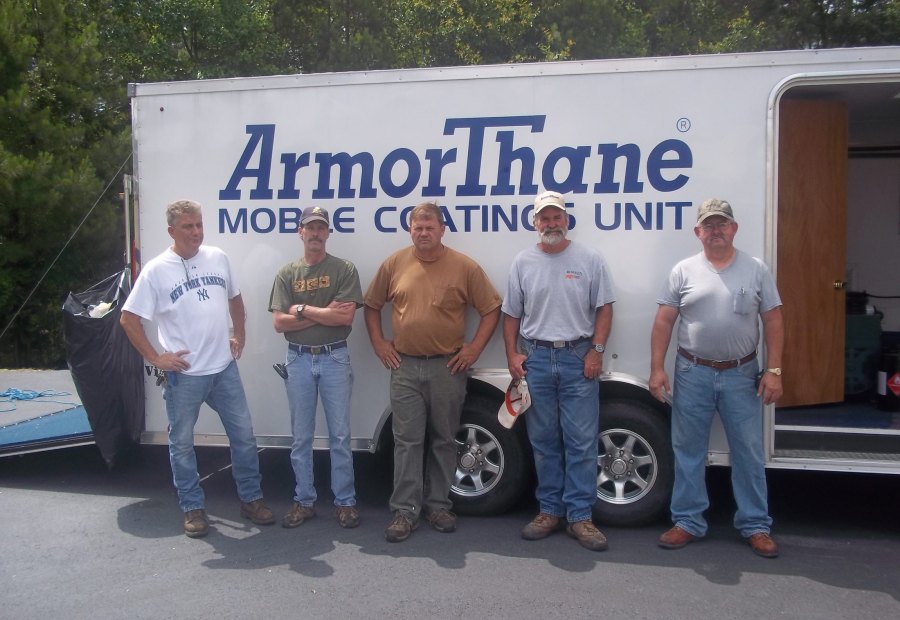
Come to the training facility, or have a trainer come to you with the Mobile Coatings Unit and run the class on your own equipment.
Train with a gun in your hands
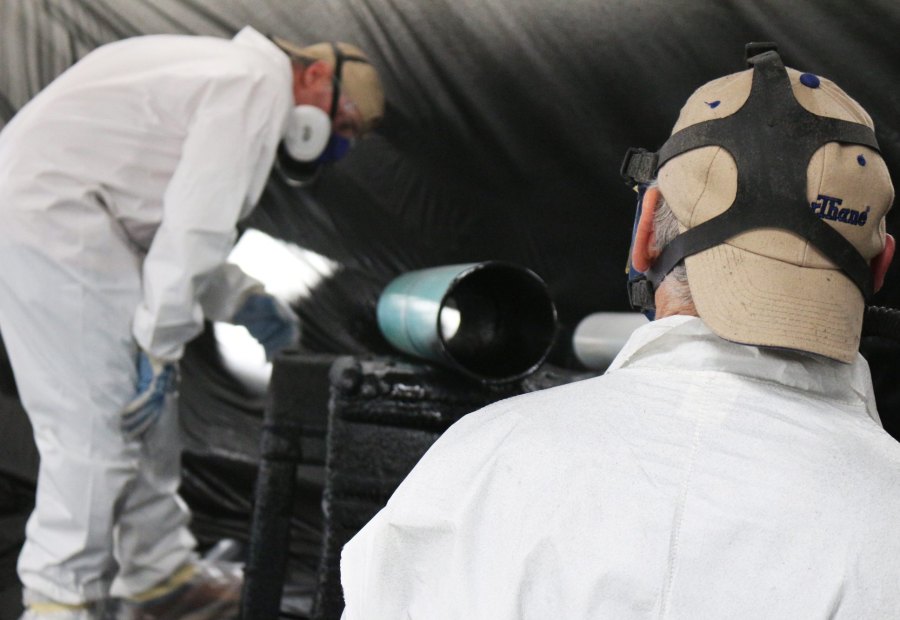
Safety and PPE first, then chemistry, substrate, prep, machine and technique — spraying real panels and testing what you sprayed.
Leave certified, stay supported
Your certificate, a listing on the ArmorThane applicator network and a technical line you can call when something goes sideways on a job.
Buying equipment too?
ArmorThane aims to deliver a custom-ordered equipment and product package with complete on-site training within 30 days of your order. No franchise fee, no royalty.
Who teaches it
Trainers with decades on the gun, not a slide deck.
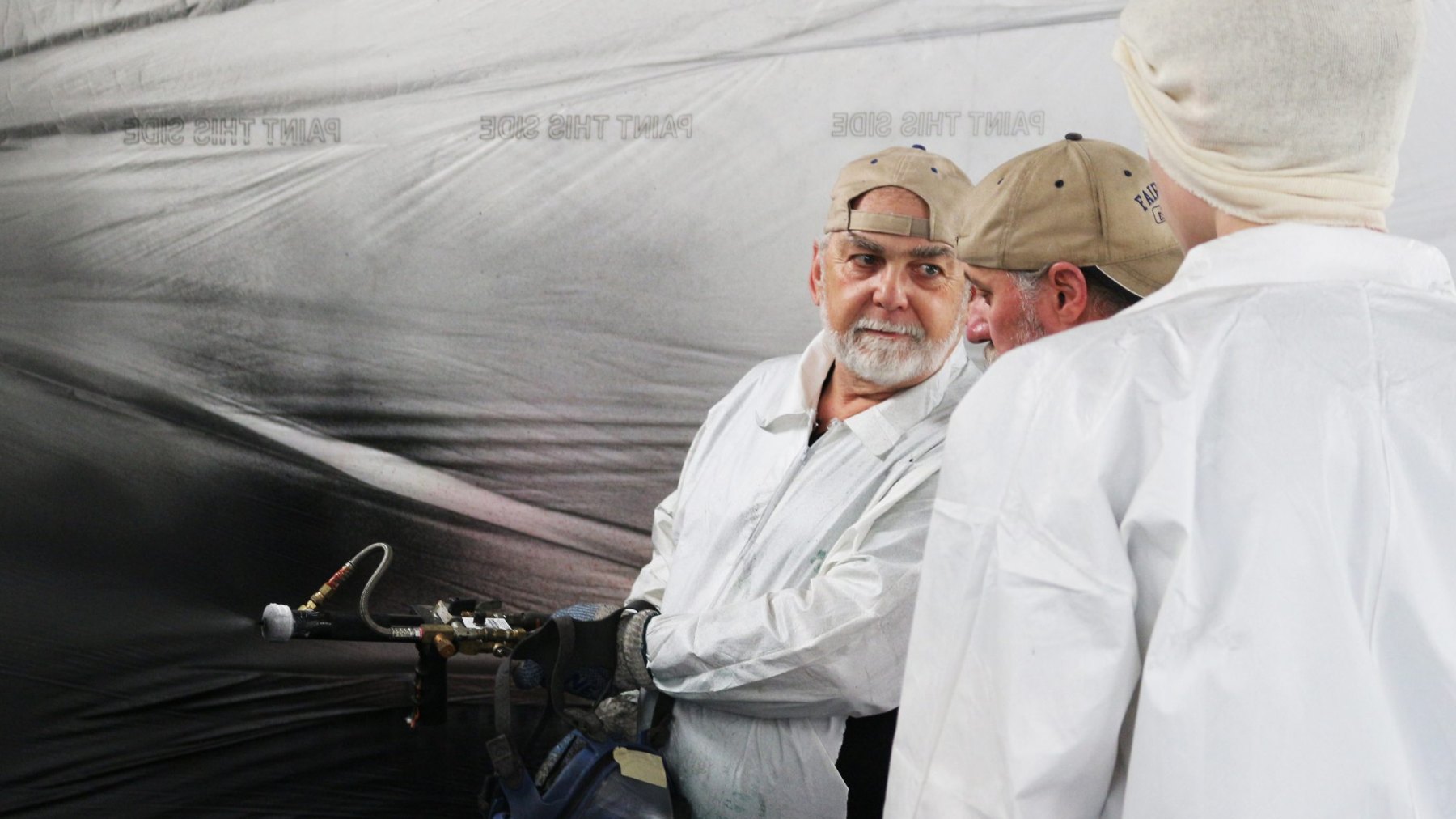
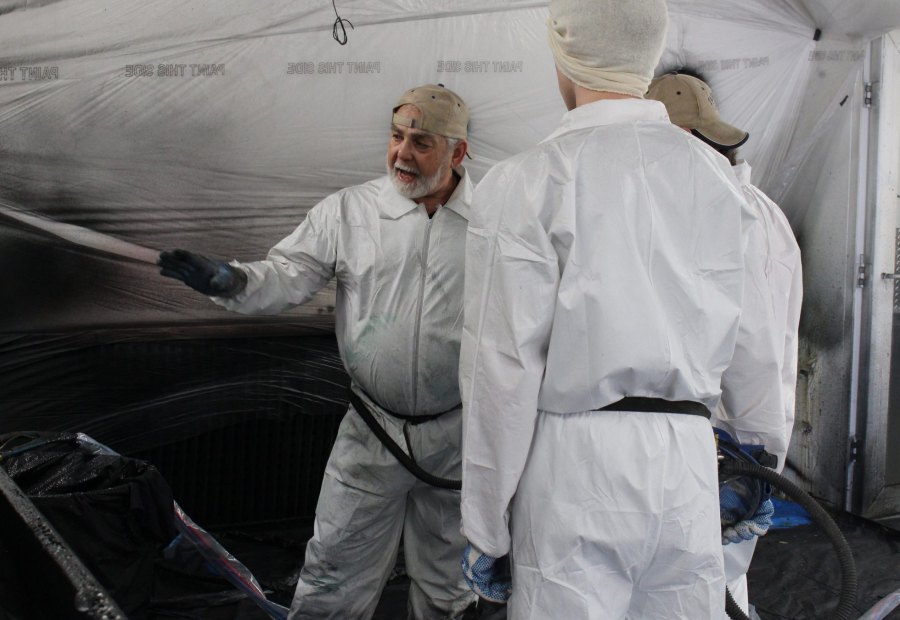
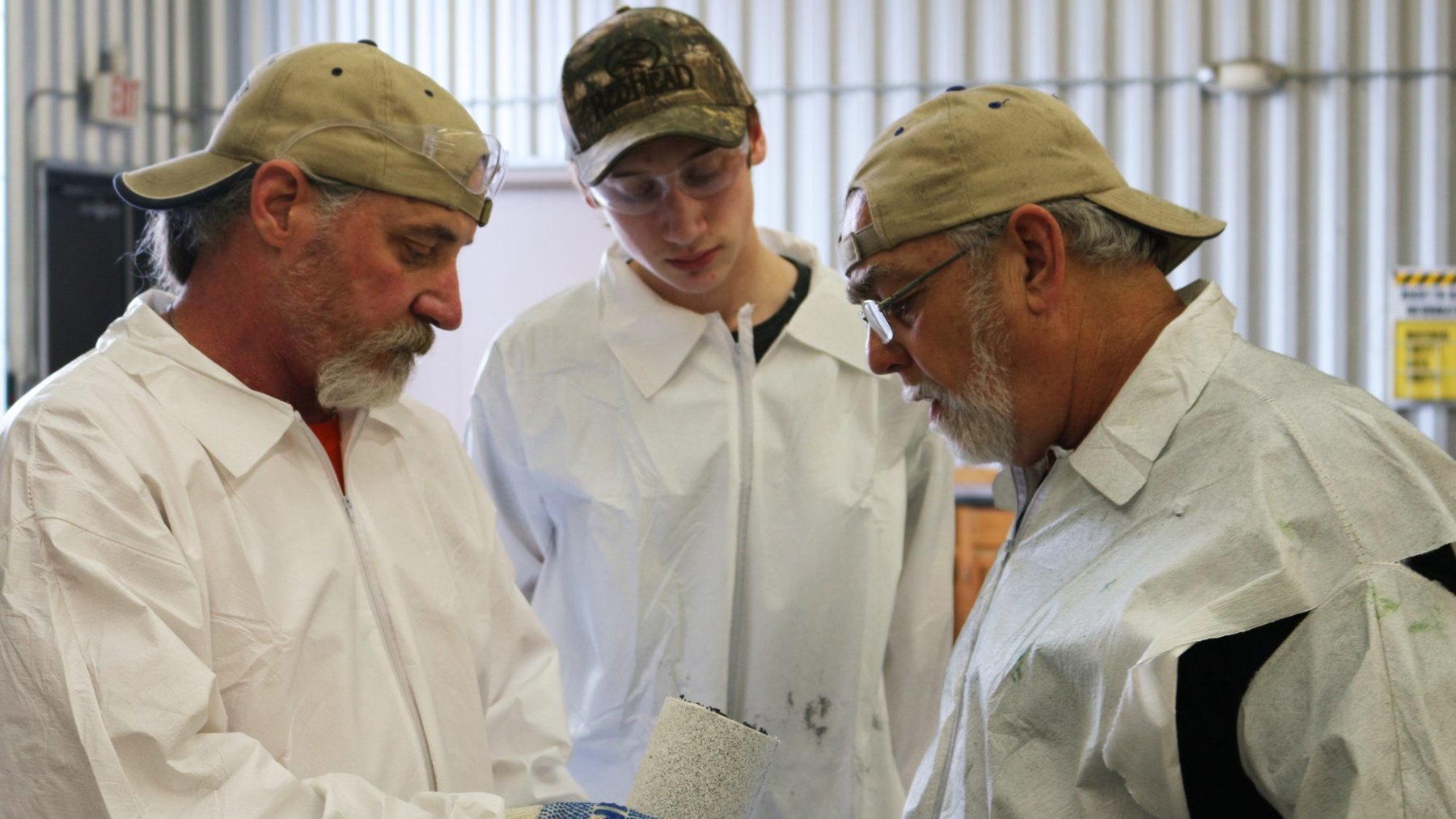
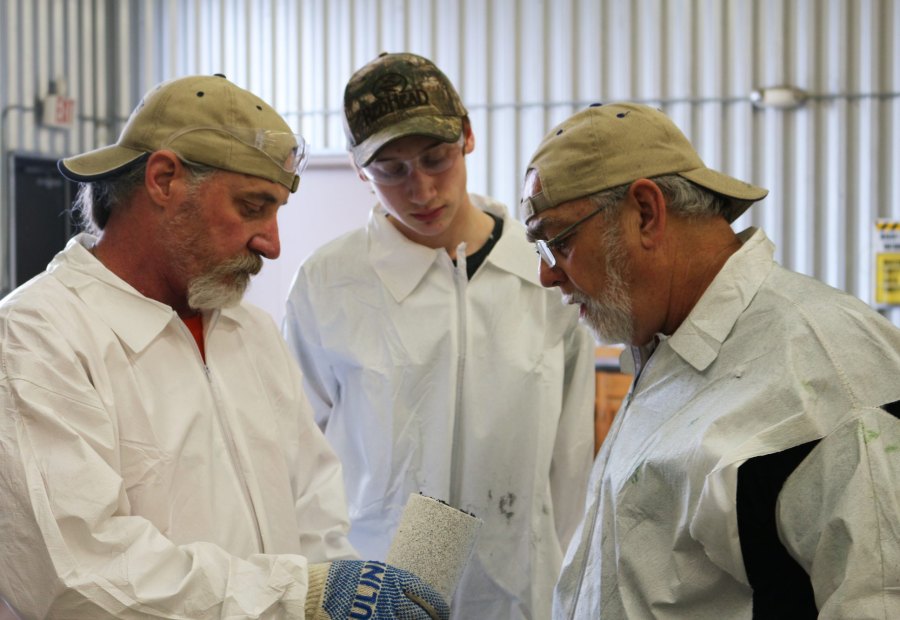
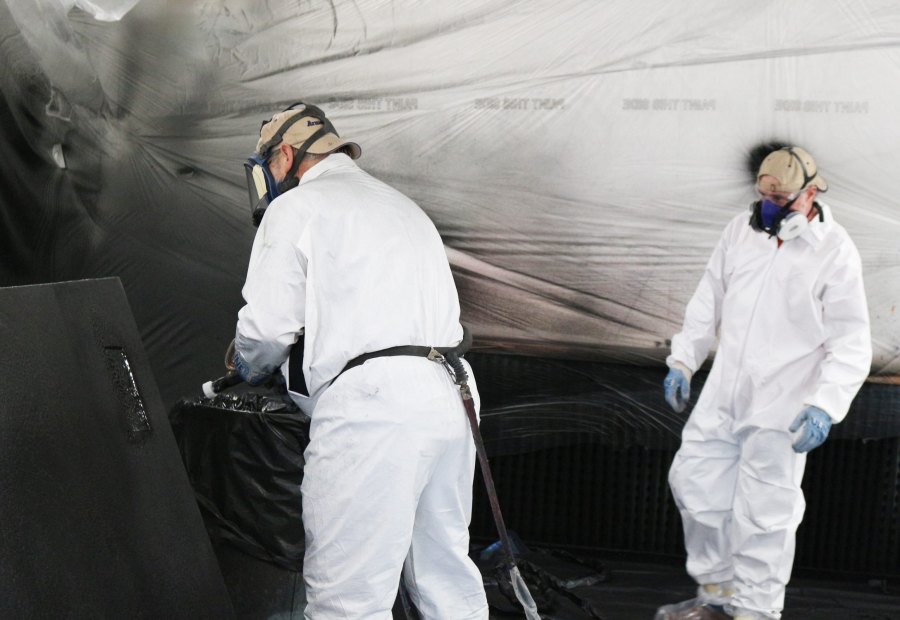
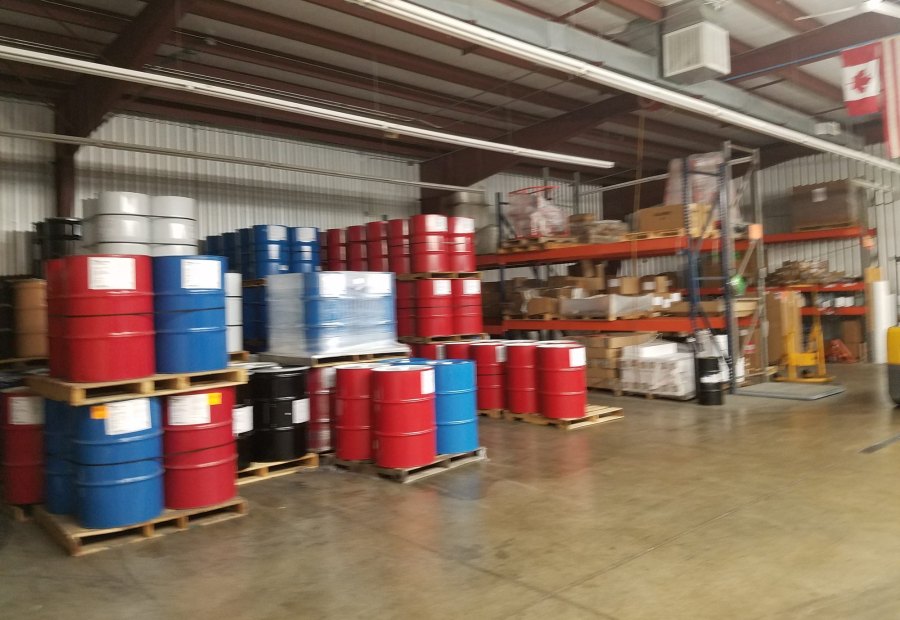
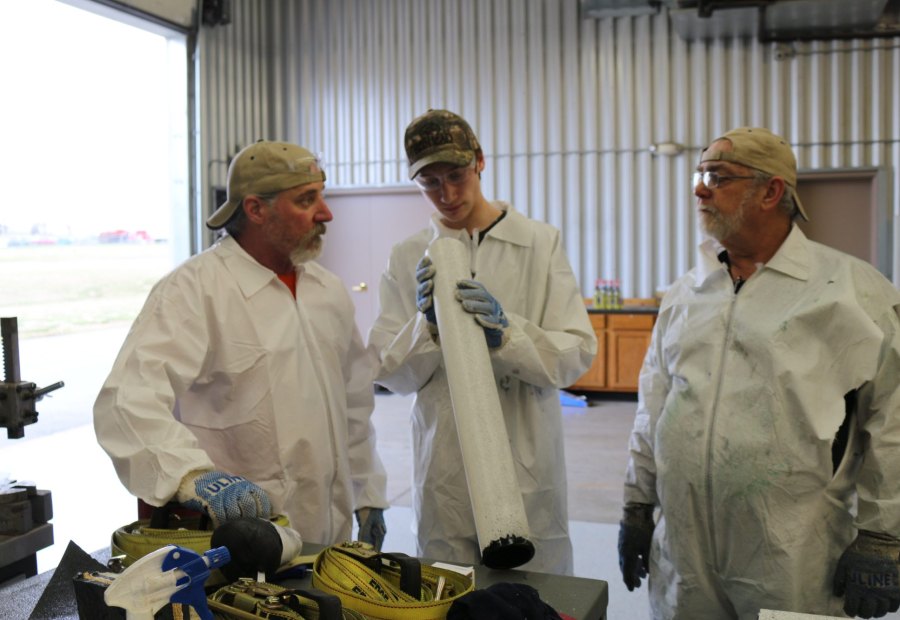
We have dedicated trainers with decades of experience who work with you and your crew to prepare them to do professional polyurea applications. ArmorThane
Every instructor here came off job sites, not out of a classroom. That matters when a trainee asks why their film is blistering on a slab that passed a visual check, or what to do when a proportioner drifts off ratio two hours into a pour.
- Manufacturer-level product knowledge
- Real field failure case studies
- Small classes, real spray time
- Support that continues after you leave
Scholarships
Starting out, and short on money?
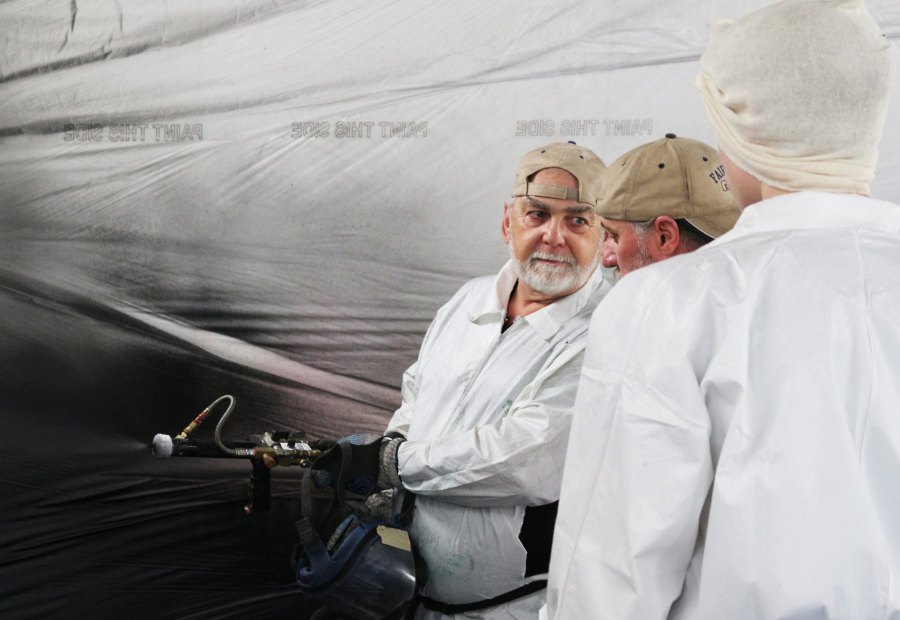
Coatings Academy runs a scholarship programme for people entering the trade. If training is the thing standing between you and a career in coatings, apply — it costs nothing to ask.
Field notes
Written for people who spray.
How to Train Hunting Blind Builders to Spray Polyurea: A Complete Guide for Applicators
A complete guide to polyurea hunting blind training for applicators and custom builders. Learn spray technique, equipment setup, surface prep,…
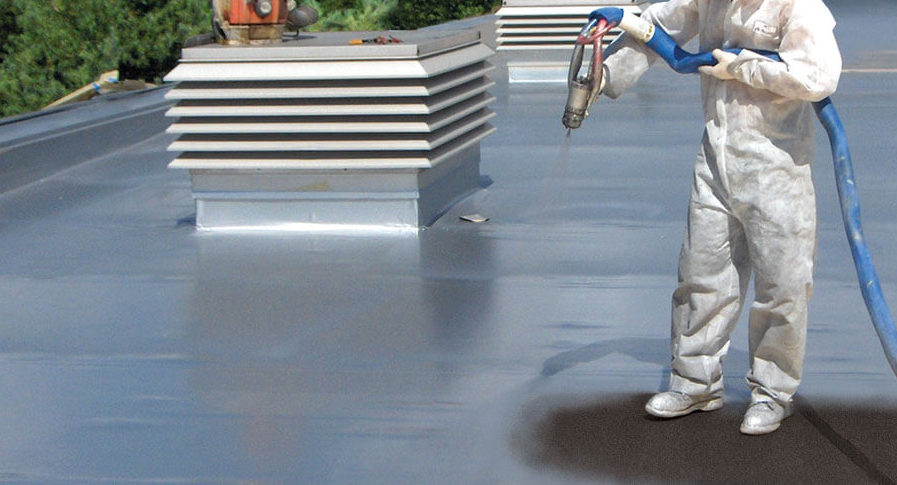
FLAT ROOF WATERPROOFING WITH POLYUREA: WHAT EVERY INSTALLER SHOULD KNOW
Flat roofs fail for the same two reasons, again and again: trapped moisture and movement the membrane was never asked…

Cistern Liner Coating Training and the Problem of Overlooked Surfaces
Why Training Matters Beyond the Spray Gun Most cistern liner coating discussions focus on the product. But in the field,…