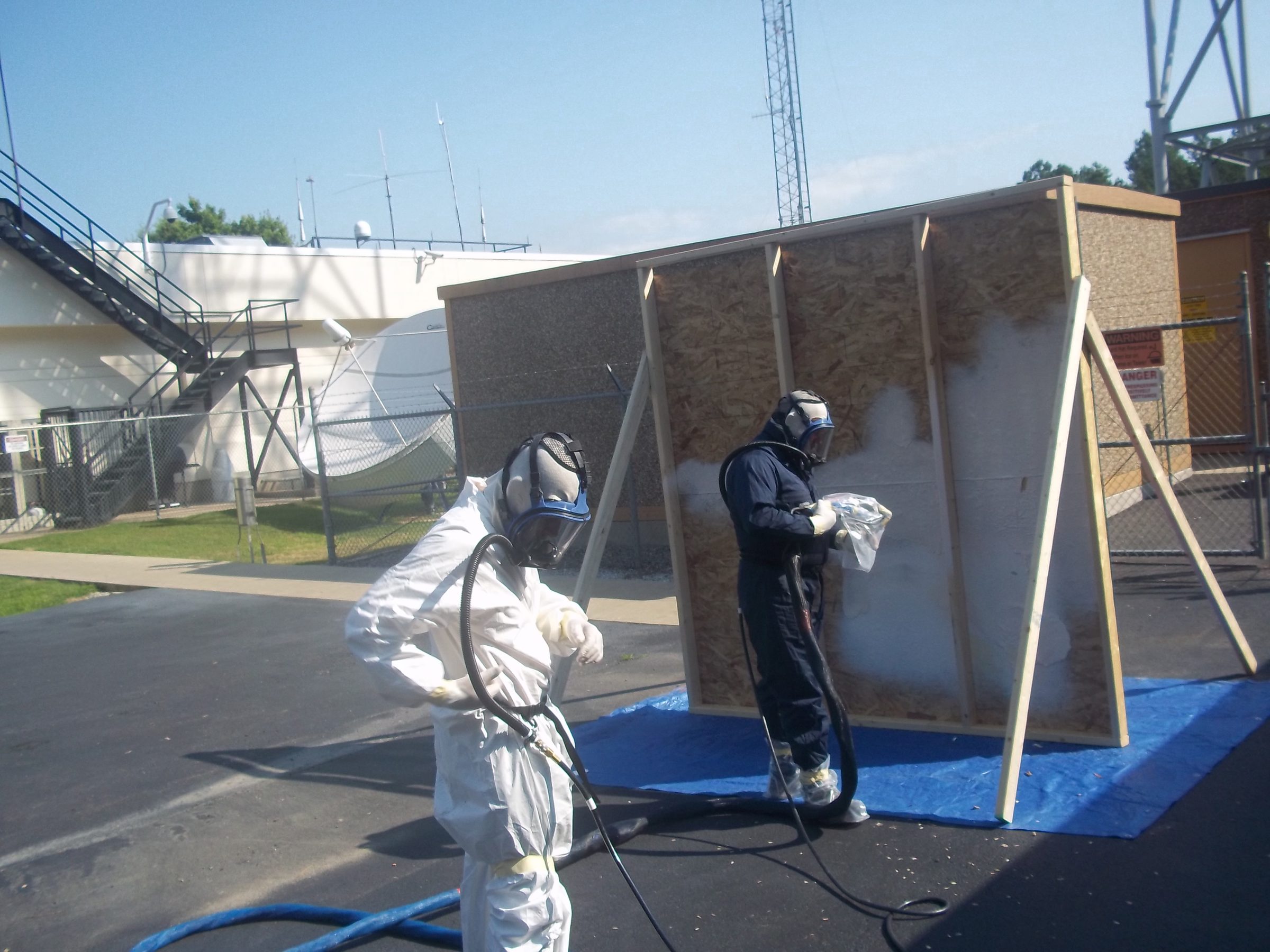
Anyone planning to start spraying coatings soon runs into the same question: what does polyurea spray equipment actually include, and how do you choose a setup that fits your jobs? The answer is more than a machine. A working polyurea system is a chain of components, and the weakest link sets the quality of every job. This guide breaks down each part, explains high-pressure and low-pressure options, covers air, power, ventilation and safety, and gives you a checklist to use before you buy.
If you are earlier in your research and still deciding whether polyurea is right for you, start with what polyurea coating is and what it can do, then come back here to plan the equipment.
What polyurea spray equipment has to do
Polyurea is a two-component system. Side A (isocyanate) and Side B (resin) are stored separately, heated, pressurized and only meet inside the spray gun. Product data sheets say how they should be handled. For example, the ArmorThane data sheets for ArmorSeal 100 AL and SureGrip describe 1:1 by volume mixes. The ArmorSeal 100 AL sheet states that the material should be applied using plural component, heated, high pressure 1:1 spray mixing equipment, with both sides sprayed at a minimum of 2,200 psi and at temperatures above 150 degrees Fahrenheit. It also calls for the sides to be preconditioned to 70 degrees Fahrenheit and for the surface temperature to be at least 5 degrees above the dew point.
In other words, the equipment must do five things reliably: meter the two sides at the correct ratio, heat them, pressurize them, deliver them through heated hose and mix them at the gun. Lose any one of those, and you get off-ratio material, poor adhesion or a ruined gun.
The main parts of a polyurea spray equipment package
1. The proportioner
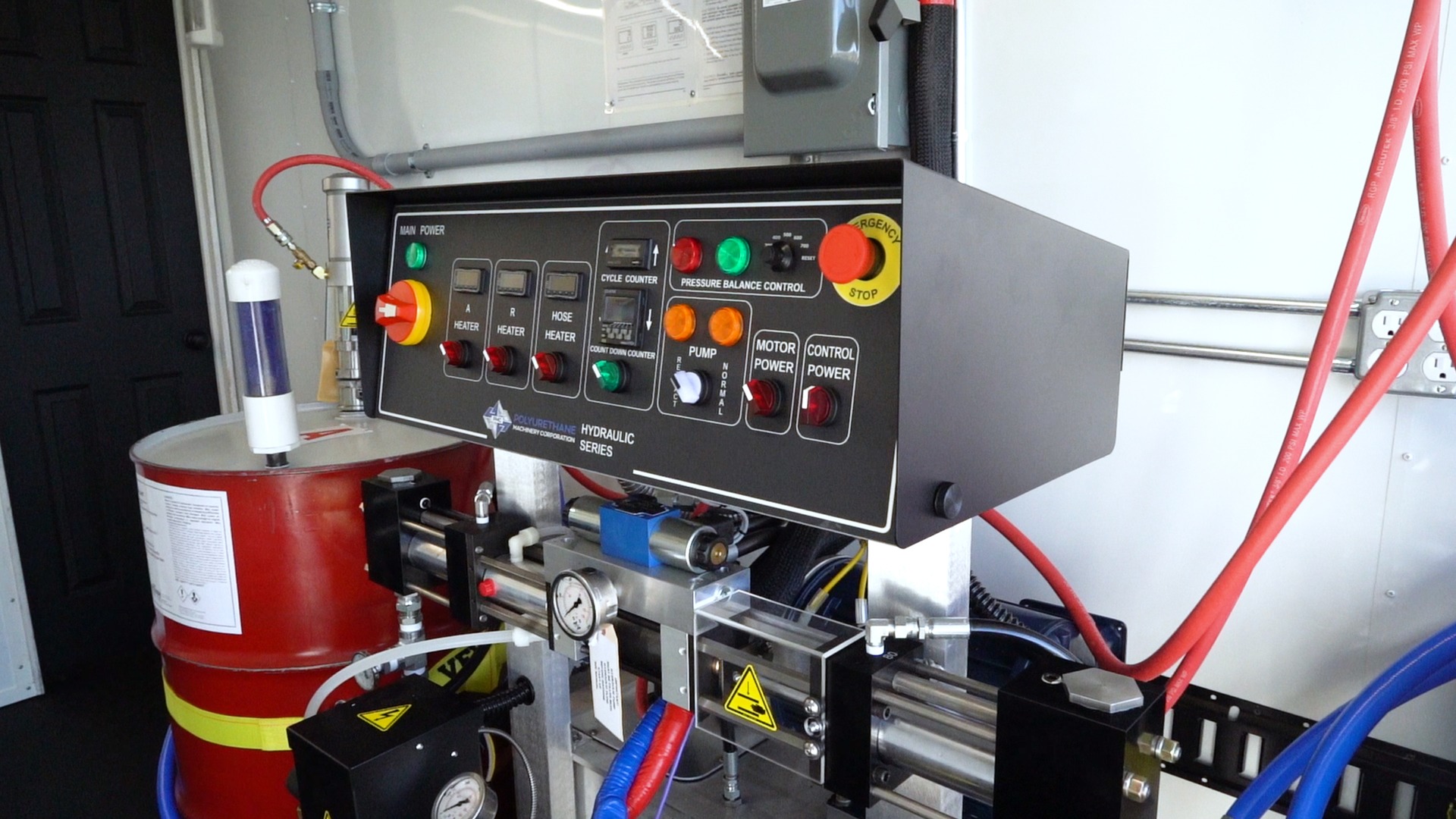
This is the heart of the system. A proportioner holds the pumps that move Side A and Side B in a fixed ratio, the heaters that bring each side to spray temperature and the controls that tell you what is happening. On an ArmorThane Hydraulic Series panel, for instance, you can see separate controls for the A heater, the B heater and the hose heater, plus a cycle counter and a pressure balance control. Pressure balance matters because pressure mismatch between sides leads to off-ratio spraying.
2. Heated hose
Heated hose carries the material from the machine to the gun without letting it cool. The heater’s transformer setting is matched to the hose length, and the control panel has its own hose heater control. Too short, too long or poorly heated, and the material arrives at the gun at the wrong temperature.
3. The spray gun
Plural-component guns mix the two sides inside a mix chamber. Guns need to be cleaned, flushed and maintained after each use. ArmorThane’s training outline covers gun teardown, including injectors, side blocks, the mix chamber and trigger o-rings, and bleeding Side A and Side B before spraying. Learn the teardown before you learn production spraying.
4. Feed pumps and drums
Transfer pumps move material from drums to the proportioner. Drum heaters, such as band heaters, keep material in a workable range, and desiccant holders keep moisture out of the drums. Moisture and isocyanate do not mix well, so protecting the material in storage is part of equipment planning.
5. Air supply
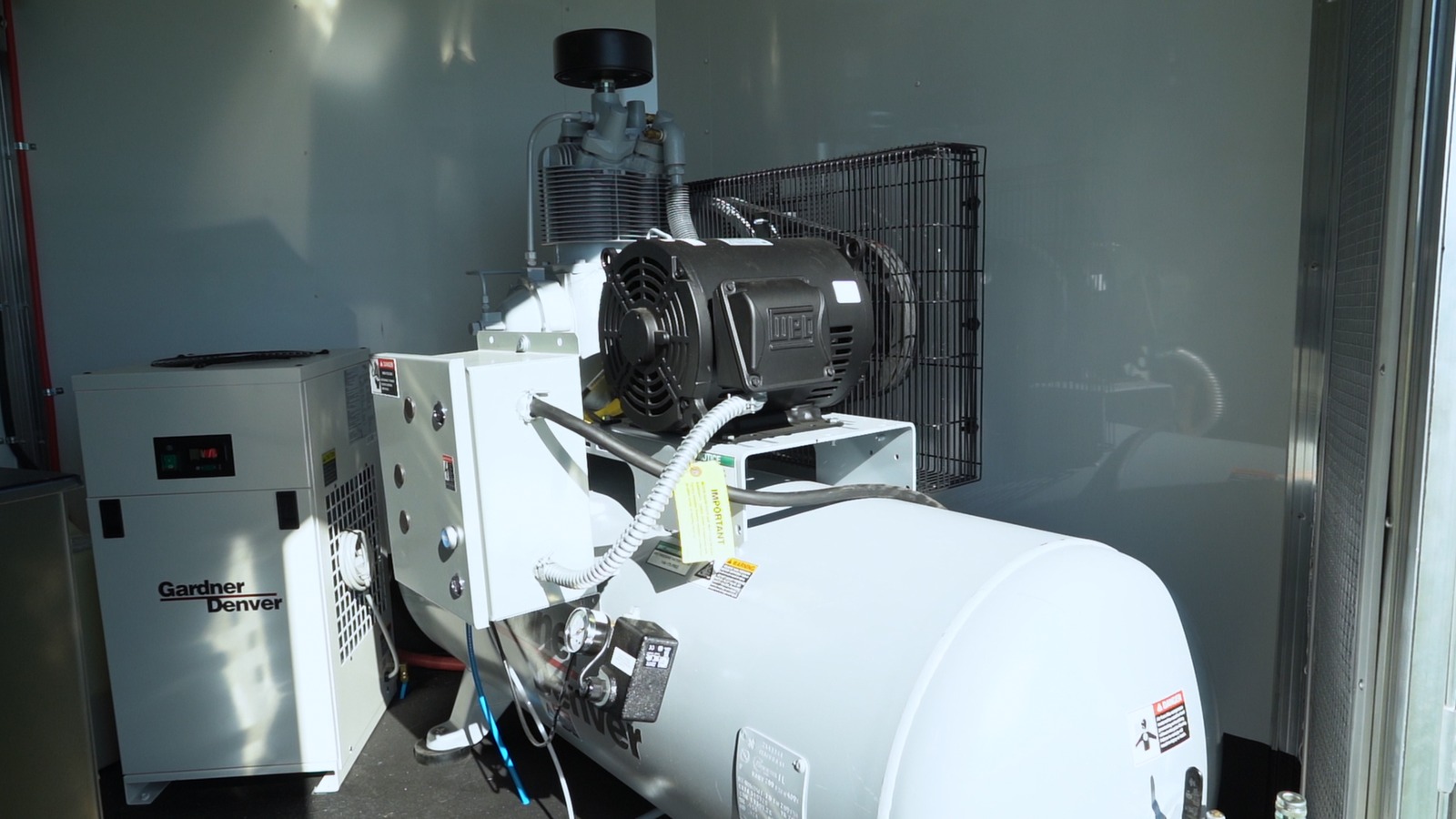
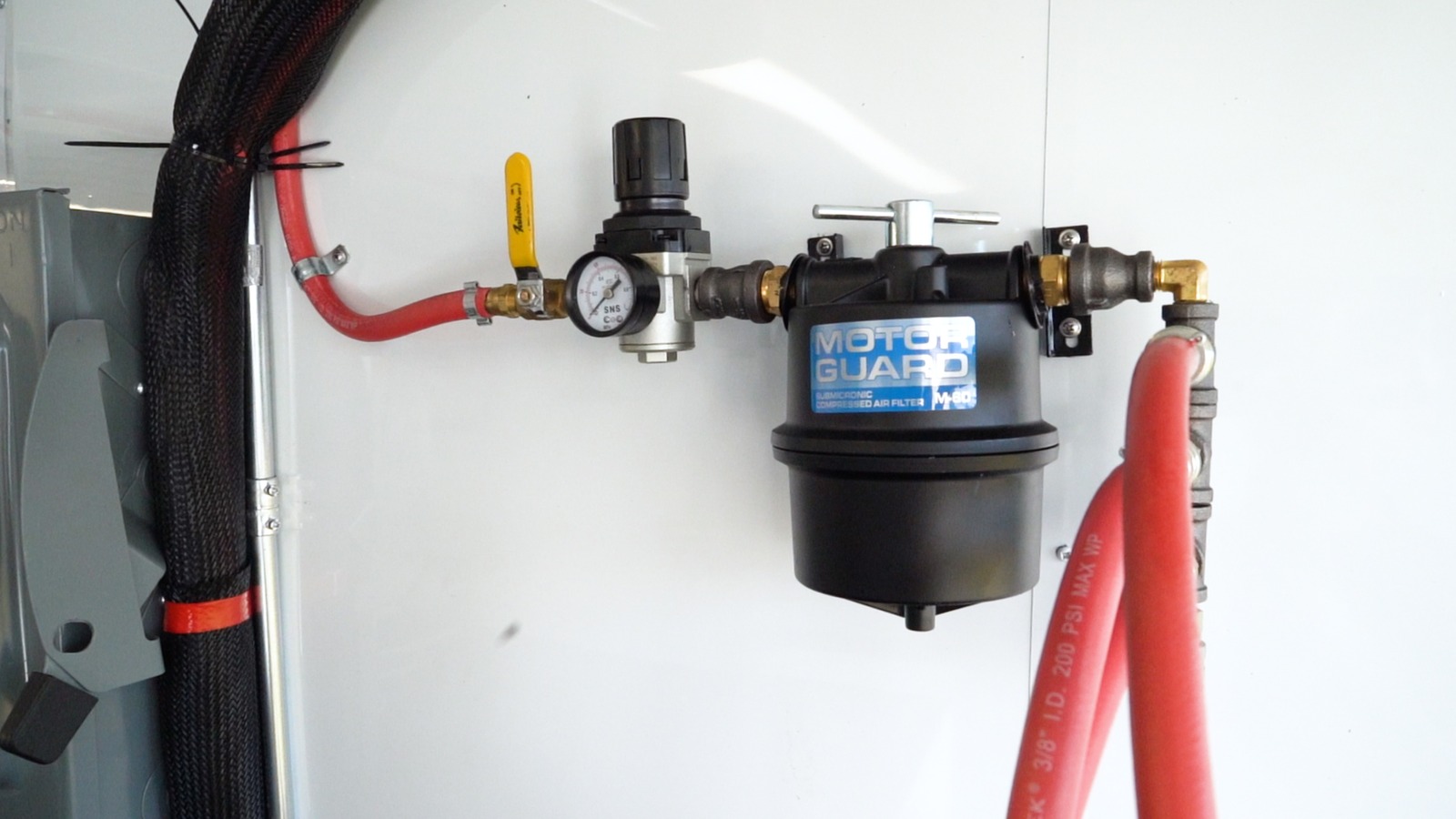
Spray systems run on clean, dry compressed air. A typical shop or rig needs a compressor sized for the machine, plus a dryer and filtration. ArmorThane’s pre-training guide asks for a compressed air drop with a refrigerant dryer and a compressor that holds 100 psi for 20 to 30 minutes. A filter and regulator downstream of the compressor protect the machine from oil and water.
6. Power
Heaters and motors draw serious current. Check the machine’s electrical requirements against what your shop, generator or trailer can supply before you order. Undersized power causes nuisance trips and heater problems that look like machine defects.
7. Ventilation and spray area
The spray area needs to be set up so overspray stays contained and fumes are exhausted. ArmorThane’s pre-training guide asks for tarps or curtains and filtered exhaust of roughly 3,000 CFM for its shop installs. Treat ventilation as equipment, not an afterthought.
8. Personal protective equipment
Isocyanates can irritate the eyes, nose, lungs and skin and can sensitize workers. Industry guidance for spray-on polyurethane and polyurea linings recommends a supplied-air respirator, chemical goggles, isocyanate-resistant gloves, long-sleeve coveralls or a full-body suit with a hood, and isocyanate-resistant boots or booties (American Chemistry Council guidance document). In the United States, respirator use also falls under OSHA’s respiratory protection standard, which requires a written program, medical evaluation, fit testing and training (29 CFR 1910.134). Budget for PPE and training from the first day.
High-pressure vs low-pressure polyurea spray equipment
Polyurea spray equipment generally falls into two families. High-pressure, heated plural-component systems are the standard for fast-set polyureas such as the ArmorSeal 100 AL TDS describes. Low-pressure systems are built for products formulated to be applied with low-pressure proportioners. The ArmorThane data sheet for FlexCoat LP, for example, describes a 100 percent solids elastomeric coating applied with low-pressure proportioners.
Which one fits depends on the products you plan to spray, your jobs and your budget. Lower-pressure equipment is often chosen for smaller or mobile operations, while higher-pressure equipment suits fast-set products and larger production. Before you commit, ask the manufacturer which products are approved for which equipment, because a machine and a product are a matched pair.
Mobile rig or fixed shop?
Some applicators spray from a shop and some bring the shop to the job. A mobile coating unit packages the machine, compressor, power and storage inside a trailer. That lets one operator chase jobs in a wider area, but it also means planning for weight, generator power, climate control and drum storage in the trailer. A fixed shop gives you space and stable power but ties your work to what customers can bring in.
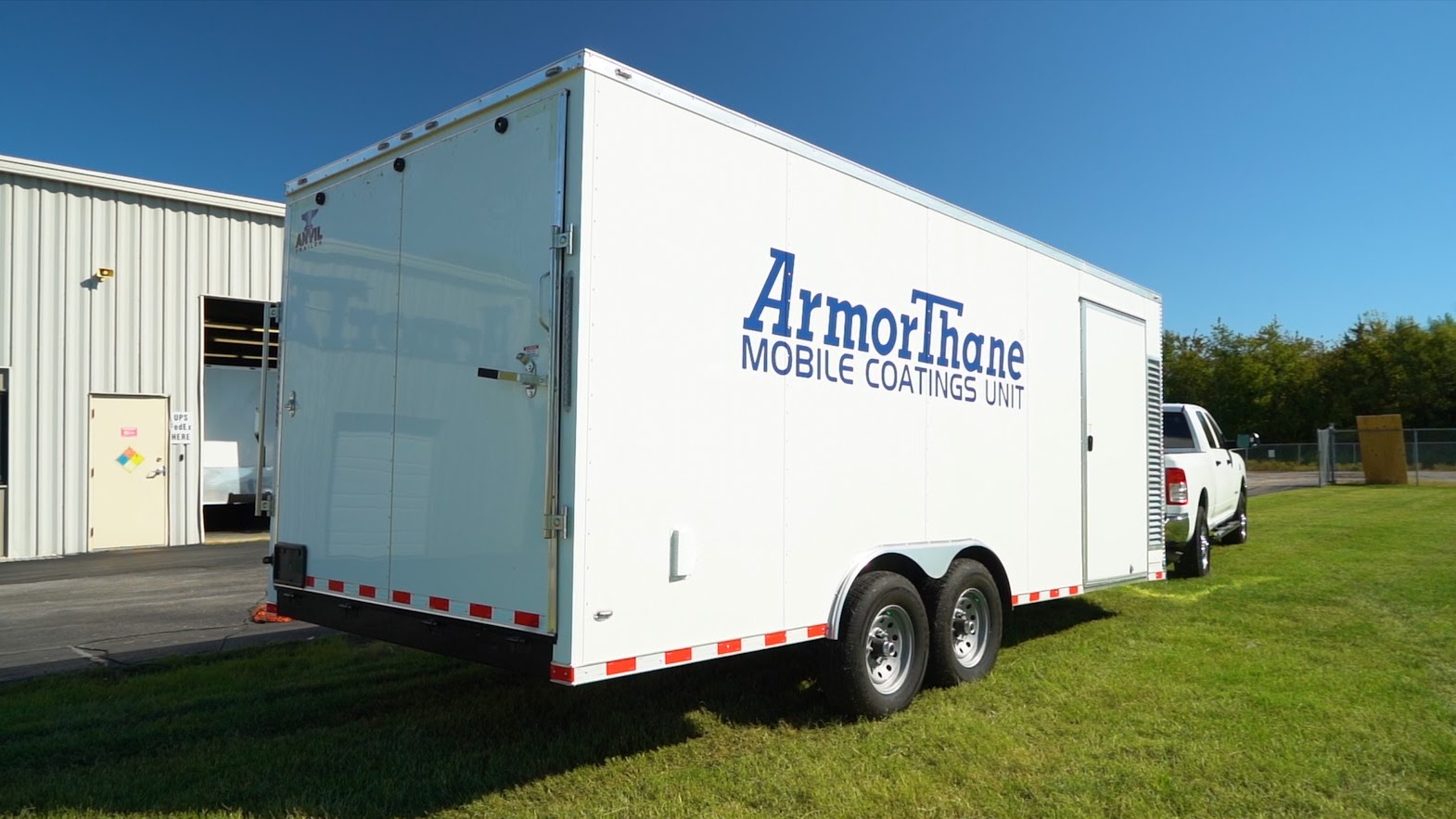
We explore how operators build around these choices in unique polyurea business models that work anywhere. ArmorThane describes its own options on its polyurea spray rigs page.
Training and maintenance matter as much as the machine
Equipment problems are rarely just equipment problems. Most trace back to startup, shutdown and cleanup habits. ArmorThane’s declaration of training lists material handling, proportioner operation and maintenance, spray gun operation and maintenance, surface preparation, spray procedures, and chemical handling and safety as the topics a trainee must cover, and it asks the dealer to run the system at least once a week. That weekly run is worth copying no matter whose machine you own: pumps and seals that sit idle are pumps and seals that fail.
If you are weighing formal instruction, read the benefits of ArmorThane polyurea training and how to sign up for a certification course.
A buying checklist for polyurea spray equipment
- List the products you plan to spray. Match equipment to the product data sheets, not the other way around.
- Define your jobs. Floors, roofs, tanks, bedliners and containment each ask different things of a machine.
- Check power and air. Confirm electrical requirements and compressor capacity, and plan a dryer and filtration.
- Plan the space. Shop or trailer, ventilation, storage, drum heating and washdown.
- Budget for PPE and training. Respirator program, fit testing, suits, gloves and hands-on instruction come before the first job.
- Ask about service and parts. Know who you call when a pump seal or gun part fails, and how long parts take to arrive.
- Be careful with used equipment. Ask for service history, inspect seals, hoses and heaters and have it tested before you buy.
- Get support in writing. Training, startup help, technical support and warranty terms should be written down.
Our earlier post, where do I buy polyurea equipment, covers purchasing options, and starting your own coatings business covers the planning around it.
Frequently asked questions about polyurea spray equipment
What equipment do I need to spray polyurea?
At minimum: a proportioner, heated hose, a plural-component spray gun, feed pumps and drums, clean dry compressed air, adequate power, a ventilated and masked spray area and proper PPE including supplied-air respiratory protection.
Can I spray polyurea with a regular airless sprayer?
Fast-set spray polyureas need heated plural-component equipment, as the ArmorSeal 100 AL data sheet describes. A standard single-component airless sprayer is not designed for that. Some low-viscosity primers can be applied with airless or HVLP equipment, as the PolyPrime data sheet notes, but that is a different product from the polyurea itself.
Do I need a dryer on my air supply?
Plan on one. Clean, dry air protects the machine and helps keep moisture away from material. The manufacturer’s pre-training guide specifies a refrigerant dryer for this reason.
Is a high-pressure or low-pressure machine better for beginners?
Neither is automatically better. The right machine is the one approved for the product you plan to spray and sized for your jobs. Talk with the manufacturer about product and machine pairings and ask what training is included.
How often should polyurea spray equipment be serviced?
Follow the manufacturer’s maintenance schedule, clean and flush guns after each use and run the system regularly. Seals, filters, strainers and heaters are the common wear items.
Is polyurea spraying safe?
It can be done safely with the right controls: ventilation, supplied-air respirators, protective clothing, training and a written respiratory protection program. Skipping any of those puts workers at risk.
Where to go next
If you are ready to compare real equipment packages, talk with a manufacturer that also trains. See ArmorThane’s polyurea spray rigs and ask about training, support and which products your machine is approved to spray. Then bring the questions from this checklist to the call.